
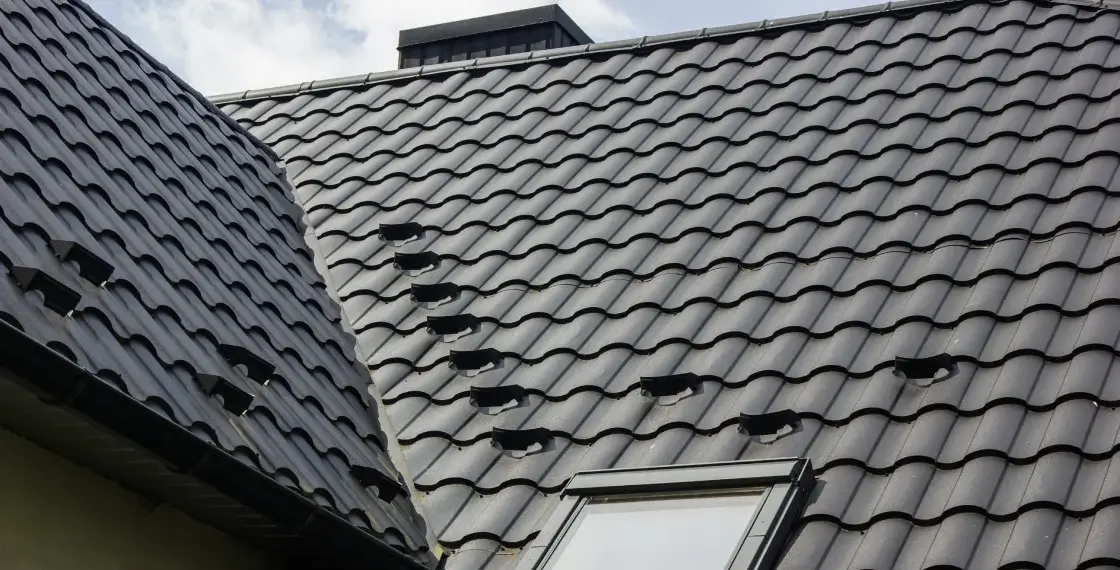
Understanding Humidity and Its Effects on Roofs
What is Humidity?
Humidity refers to the amount of water vapor present in the air. When the air holds a significant amount of moisture, we experience high humidity. This can significantly impact various elements of a home, particularly the roof, which is constantly exposed to the elements.
How Humidity Affects Roofing Materials
Humidity can affect roofing materials in multiple ways. Moisture can cause shingles to swell, warp, and lose their integrity over time. This leads to the deterioration of the roof’s structural components, which can compromise its effectiveness in protecting your home.
External Humidity Damage
Algae and Moss Growth
Algae and moss can thrive on your roof in humid conditions. These organisms retain moisture, which can weaken roofing materials over time. The presence of algae and moss is unsightly and can lead to more severe damage if left untreated.
Metal Roof Corrosion
High humidity levels can cause metal roofing components to rust and corrode. This weakens the roof’s structural integrity and can lead to leaks and other significant issues.
Wood Rotting
Wooden roofing materials and underlying structures are particularly vulnerable to moisture. Continuous exposure to high humidity can cause wood to rot, potentially leading to roof collapse if not addressed promptly.
Internal Humidity Damage
Insulation Deterioration
Excess moisture can deteriorate insulation materials within your attic, reducing your home’s energy efficiency. This can lead to higher energy bills as your heating and cooling systems work harder to maintain a comfortable indoor temperature.
Mold Growth and Health Risks
Humidity fosters mold growth, which poses significant health risks. Mold spores can trigger allergies and respiratory problems, and they can damage roofing materials and other parts of your home.
Structural Damage to Attic and Roof
A humid attic can weaken the structure of your roof. Moisture can cause wooden beams and supports to rot, leading to severe structural issues that require costly repairs.
Signs of Humidity Damage
Peeling Paint or Wallpaper
Peeling paint or wallpaper inside your home can indicate excessive humidity. This occurs when moisture gets trapped behind the paint or wallpaper, causing it to lose adhesion and peel away from the walls.
Stains and Material Degradation
Water stains on ceilings and walls often indicate roof leaks caused by humidity. Prolonged exposure to moisture can degrade building materials, leading to further damage and increased repair costs.
Cracks and Structural Issues
Humidity can cause materials to expand and contract, leading to cracks in walls, ceilings, and foundations. These cracks can compromise the structural integrity of your home and should be addressed immediately.
Preventing Humidity Damage
Proper Roof Ventilation
Ensuring your roof has adequate ventilation is crucial. Good airflow helps regulate attic temperatures and moisture levels, preventing humidity-related issues. Proper ventilation can also reduce the workload on your HVAC system, potentially lowering energy costs.
Regular Roof Inspections
Conducting regular roof inspections can help identify and address humidity damage early. A professional inspection at least once a year can detect potential problems before they become severe, saving you from costly repairs.
Gutter Maintenance
Maintaining clean and functional gutters prevents water from pooling on your roof. Clogged gutters can lead to water seepage and humidity damage. Ensure your gutters are debris-free and adequately direct water away from your home.
Using Dehumidifiers and Exhaust Fans
Utilize dehumidifiers to control indoor humidity levels. Additionally, exhaust fans in kitchens, bathrooms, and laundry rooms can help remove excess moisture from the air, preventing it from accumulating in your attic and roof.
Expert Tips for Ohio Weather
Seasonal Maintenance Tips
In Ohio, where weather conditions can vary, it’s essential to conduct seasonal maintenance on your roof. Inspect and clean your roof and gutters regularly, especially after severe weather.
Choosing the Right Roofing Materials
Select roofing materials that are well-suited to Ohio’s climate. Materials that can withstand high humidity and temperature fluctuations will provide better protection and longevity for your roof.
When to Seek Professional Help
If you notice signs of humidity damage, it’s crucial to seek professional help promptly. Companies like A&A Roofing in the Tri-Cities area can provide expert inspections and repairs to ensure your roof remains in optimal condition.
Conclusion
Humidity can cause problems for your roof, from algae growth and metal corrosion to wood rotting and structural damage. Understanding how humidity affects your roof and implementing preventative measures can help protect your home. Regular inspections, proper ventilation, gutter maintenance, and the use of dehumidifiers are essential steps in maintaining a healthy roof. By taking these precautions, especially in Ohio’s humid climate, you can ensure your roof provides reliable protection for years to come.
For professional roofing services and expert advice on preventing humidity damage, contact A&A Roofing in the Tri-Cities. Their team of skilled professionals is dedicated to helping you maintain a solid and durable roof tailored to withstand Ohio’s weather conditions.