
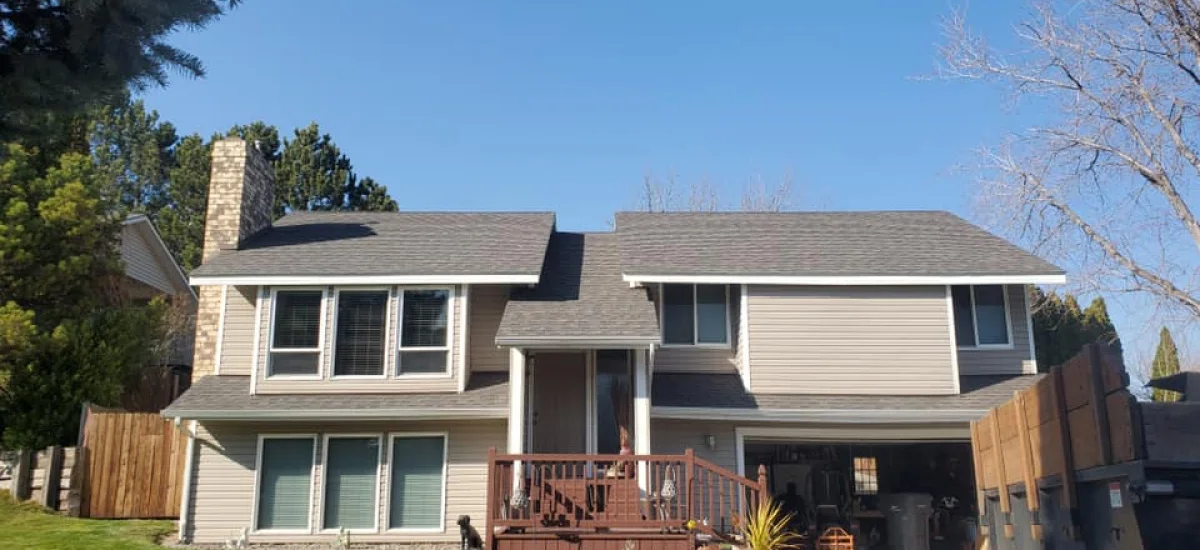
Hailstorms are a common and unpredictable weather event that can wreak havoc on homes, particularly the roof. As the first line of defense against the elements, your roof in Kennewick, Washington is susceptible to severe damage from these intense storms. But how do you know if your roof has sustained damage after a hailstorm? Understanding the importance of a thorough roof inspection after a hailstorm can prevent minor issues from becoming major problems. At A&A Roofing Services, we have years of experience helping homeowners safeguard their homes from the long-lasting impacts of hail and other storm-related damage.
In this article, we’ll guide you through the essential steps to inspect your roof after a hailstorm, highlight what to look for, and explain why it’s crucial to involve professional roofing services when needed. Whether you’re concerned about storm damage roof repair, roof replacement, or roof repair, knowing what to do post-storm can make all the difference in maintaining your home’s safety and value.
The Importance of a Post-Hailstorm Roof Inspection
Kennewick and the Tri-Cities region frequently experience unpredictable weather patterns, including severe hailstorms. When hail hits, even a brief storm can result in significant damage, especially if the hailstones are large or combined with strong winds.
Hail damage is not always immediately apparent to the untrained eye, and neglecting a post-storm inspection can lead to expensive repairs later on. Water infiltration, mold growth, and structural damage are just a few of the long-term problems homeowners may face if roof damage isn’t addressed quickly.
By performing a roof inspection after a hailstorm, you’ll be able to assess the level of damage and decide whether you need roof repair, roof replacement, or a more detailed storm damage roof repair.
What Does Hail Damage Look Like?
Before climbing up to inspect your roof, it’s essential to know what you’re looking for. Hail damage can manifest in various forms depending on the type of roofing material, the size of the hailstones, and the angle at which they struck your roof. Here are some common signs of hail damage to look out for:
1. Dents or Bruises on Shingles
Hail often causes visible dents or bruising on asphalt shingles. This type of damage may look like small dimples or round spots where the granules have been knocked off. Missing granules expose the underlayer of the shingle to the elements, increasing the risk of leaks.
2. Cracked or Broken Shingles
In more severe cases, hail can cause shingles to crack or break completely. This is especially true for older or more brittle roofing materials. Broken shingles are a clear sign that your roof may need roof repair or even roof replacement.
3. Exposed Roofing Felt
If you notice exposed roofing felt (the layer beneath your shingles), this is a serious issue. Exposed felt can quickly lead to water damage, as it’s the last layer of protection before water can seep into the structure of your home.
4. Dented Gutters and Flashing
Don’t just focus on the shingles themselves. Hail can also damage your roof’s gutters and flashing. Dented or dislodged gutters may signal that water isn’t being diverted away from your home properly, increasing the risk of foundation problems.
5. Damage to Roof Vents and Skylights
Roof accessories like vents and skylights can also take a hit during a hailstorm. Inspect these for cracks, dents, or other signs of damage that might lead to leaks inside your home.
How to Safely Inspect Your Roof After a Hailstorm
Roof inspections should always be done with safety in mind. If you’re uncomfortable climbing onto your roof or suspect significant damage, it’s best to contact professionals like A&A Roofing Services. However, if you feel comfortable with basic inspections, follow these guidelines to perform a safe and effective check:
1. Use Binoculars for a Ground-Level Inspection
Start your inspection from the ground using binoculars. This allows you to spot large issues like broken or missing shingles without putting yourself at risk. Take note of any irregularities you see.
2. Check for Damage to Siding and Windows
As you walk around your home, inspect the siding, windows, and doors for hail damage. Often, signs of hail damage on siding can indicate similar damage on your roof.
3. Carefully Climb onto the Roof (If Safe)
If it’s safe to do so, carefully climb onto your roof with a sturdy ladder and non-slip footwear. Be mindful of any slippery surfaces or loose shingles. Once on the roof, check for any signs of damage, focusing on the shingles, gutters, and flashing.
4. Inspect the Attic for Leaks
Even if you don’t see visible damage on the roof, water may have penetrated your home. Inspect your attic for any signs of leaks or water damage, especially after heavy rains following a hailstorm. Discolored spots, damp insulation, or visible water stains are clear indicators that your roof has been compromised.
Why You Should Call a Professional Roofing Contractor
While a basic inspection can reveal some signs of damage, the full extent of roof damage often requires a professional eye. At A&A Roofing Services, we offer detailed roof inspections for hail and storm damage, ensuring nothing is missed. Here’s why it’s crucial to trust a local professional:
1. Expertise in Kennewick Roofing Materials
Our team is experienced with the common roofing materials used in Kennewick and the Tri-Cities. We understand how different types of roofs—whether asphalt, metal, or tile—respond to hail damage, allowing us to make tailored recommendations for roof repair or roof replacement.
2. Access to Specialized Equipment
We use specialized tools to detect damage that may not be visible to the naked eye, such as infrared cameras to spot leaks or weakened areas of the roof.
3. Help with Insurance Claims
Hail damage often qualifies for insurance coverage. A professional roofing contractor can provide the detailed inspection reports and photographs necessary to support your claim. We work closely with insurance adjusters to ensure you get the compensation you deserve for storm damage roof repair.
4. Prevent Future Issues
Even minor hail damage can evolve into bigger problems if left untreated. By hiring a professional to inspect your roof, you can prevent costly repairs down the road and ensure your roof remains in top condition.
Protecting Your Roof in Kennewick’s Stormy Weather
Kennewick and surrounding areas are no strangers to severe weather. Hailstorms can strike suddenly, leaving your roof vulnerable to leaks, mold, and structural damage. By being proactive about inspecting your roof after a storm and addressing any issues immediately, you can avoid expensive repairs and keep your home safe.
At A&A Roofing Services, we pride ourselves on providing top-tier storm damage roof repair, roof repair, roof replacement, and roof installation services. Our commitment to the local community ensures that we understand the unique challenges Kennewick homeowners face, from fluctuating weather patterns to common roofing materials in the region.
FAQs
How soon after a hailstorm should I inspect my roof?
It’s best to inspect your roof as soon as possible after a hailstorm to prevent potential leaks or further damage.
Can hail damage cause roof leaks?
Yes, hail damage can lead to roof leaks, especially if the shingles are cracked or if the underlayment is exposed.
Is hail damage covered by insurance?
Most homeowners’ insurance policies cover hail damage, but it’s important to document the damage and file a claim quickly.
What size hail causes roof damage?
Hailstones as small as 1 inch in diameter can cause damage to most roofing materials, but larger stones can cause more severe issues.
Can I repair hail damage myself?
Minor damage, like a few missing shingles, might be a DIY project, but it’s often better to have a professional assess the roof to ensure no hidden damage is missed.
How do I know if I need a roof replacement after hail damage?
A professional roofing contractor can assess the extent of the damage and recommend whether roof repair or roof replacement is necessary.