
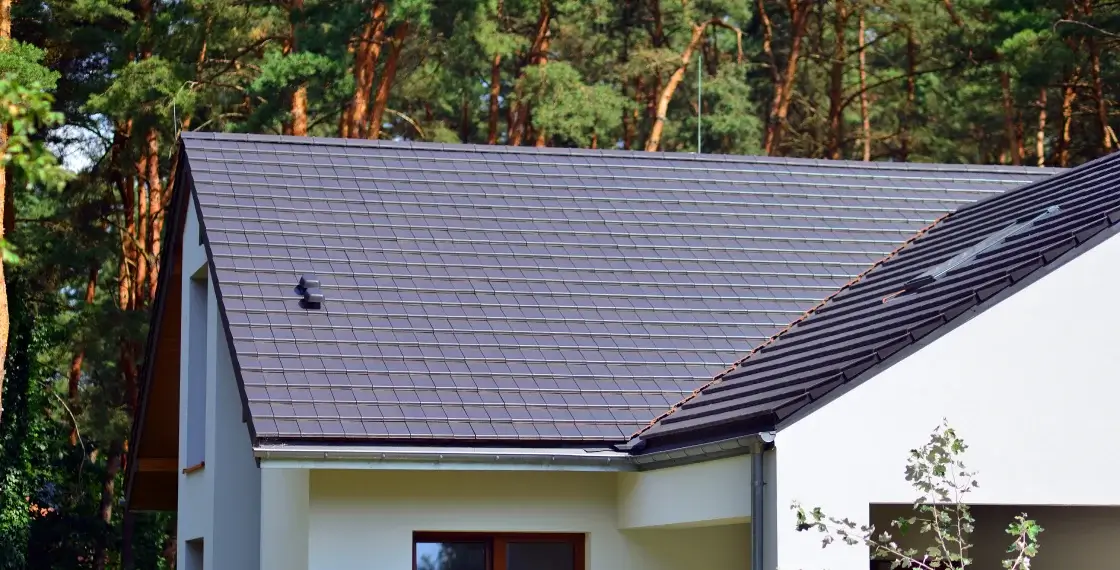
Understanding the Impact of Ohio Weather on Roofs
Ohio weather is known for its variability, with conditions ranging from heavy snowfall in winter to severe thunderstorms and high winds during spring and summer. These high winds can pose significant challenges to the structural integrity of roofs, making it crucial for homeowners to choose materials and designs that can withstand such conditions.
Effects of High Winds on Roofing
High winds can cause various types of damage to roofs, including uplift, which can tear shingles away, and impact damage from debris. For residents of the Tri-Cities, selecting a roof that can endure these stresses is essential to protect their homes and ensure longevity.
Key Features of Wind-Resistant Roofs
Importance of Wind-Resistance Ratings
When choosing a roof for high-wind areas, the wind-resistance rating is one of the most critical factors. Roofs are tested and rated for their ability to withstand strong winds, with Class 4 being the highest rating available. This ensures the roof can endure the extreme conditions typical of Ohio weather.
Materials: Metal vs. Asphalt Shingles
Metal roofing is highly recommended for high-wind areas due to its durability and resistance to wind uplift. Standing seam metal roofs, in particular, provide excellent protection. Asphalt shingles, when adequately rated and installed, can also be effective. However, they may require more maintenance and regular inspections to remain secure.
Benefits of Impact-Resistant Shingle
Impact-resistant shingles are designed to withstand wind and impact damage, making them an excellent choice for high-wind areas. These shingles are often made from advanced materials that enhance durability and longevity, ensuring the roof can withstand the harshest conditions Ohio can throw.
Best Roofing Designs for High Wind Areas
Hip Roofs vs. Gable Roofs
Hip roofs, with their sloped sides, are generally more effective at withstanding high winds than gable roofs, which have flat ends that can catch the wind and create uplift. Hip roofs distribute wind pressure more evenly, reducing the risk of damage.
Aerodynamic Shapes and Low Pitch
Roofs with low pitches and aerodynamic shapes help minimize wind exposure and reduce the risk of wind damage. These designs allow wind to flow over the roof smoothly, reducing the chances of uplift and material loss.
Importance of Proper Installation
Regardless of the materials and design chosen, proper installation is crucial. Using the correct fasteners and ensuring all roofing components are securely attached will significantly enhance the roof’s wind resistance. Consulting with experienced professionals like A&A Roofing in the Tri-Cities ensures your roof is installed to the highest standards.
Advanced Windproofing Techniques
Using Fasteners and Clips
The type and placement of fasteners and clips can significantly affect a roof’s wind resistance. High-quality, corrosion-resistant fasteners should be used, and their spacing should be carefully planned to ensure maximum hold during high winds.
Roof Zones and Wind Distribution
Understanding how different parts of the roof handle wind pressure is essential. Edges and corners typically experience the highest wind loads and require extra reinforcement. Ensuring these areas are well-secured will prevent wind from lifting the roof material.
Enhanced Roofing Coatings
Applying advanced roofing coatings can provide additional protection against wind and weather damage. These coatings help seal the roof and prevent water infiltration, which can weaken the structure over time.
Maintenance and Longevity
Regular Inspections and Repairs
Regular roof inspections and prompt repairs are vital for maintaining a wind-resistant roof. Identifying and addressing potential issues early can prevent minor problems from becoming major ones, ensuring the roof remains secure and functional.
Warranty Considerations
Choosing a roofing material with a comprehensive warranty that covers wind damage is essential. This provides peace of mind knowing that the roof is protected against the specific challenges posed by Ohio weather.
Case Studies and Expert Recommendations
Real-World Examples
In the Tri-Cities, A&A Roofing has successfully installed numerous wind-resistant roofs that have withstood severe weather conditions. These case studies demonstrate the effectiveness of high-quality materials and proper installation techniques.
Expert Tips for Ohio Homes
Experts recommend selecting roofing materials and designs specifically tested for high-wind areas, like those available at A&A Roofing. Consulting with local professionals who understand Ohio’s unique weather challenges ensures the best results.
By considering these factors and choosing the suitable materials and designs, homeowners in the Tri-Cities can ensure their roofs are prepared to face Ohio’s challenging weather conditions. For more information and professional advice, contact A&A Roofing in the Tri-Cities.